Restaurant Survey Best Practices
Restaurant Survey Feedback Collection:
Best Practices + ROI Insights
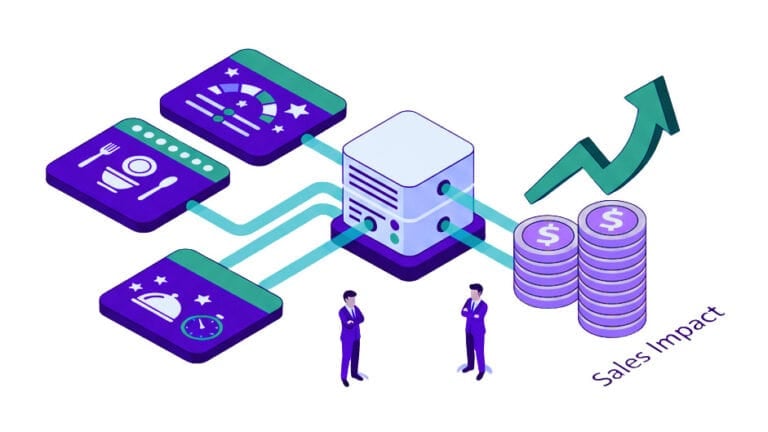
High volumes of restaurant survey responses don’t happen by accident — they are engineered through a thoughtful mix of channel diversity, guest-centric design, and continual optimization. The more perspectives you capture, the more representative and actionable your insights become. And because this guest feedback drives improvement, the ultimate return is tangible: higher revenue, stronger guest retention, and more efficient operations.
This guide explores all the main methods for guest survey collection, how to optimize each, and the ROI evidence that shows why they work.
Building a Framework for Guest Feedback Collection
Key Considerations for Effective Restaurant Survey Collection
Collecting guest feedback at scale isn’t just about putting a QR code on a receipt or sending out a post-visit email. To capture meaningful volumes of feedback, restaurants need a deliberate framework that combines behavioral psychology, timing, and design. The success of a feedback program depends as much on how, when, and where you ask as it does on the survey questions themselves.
The Survey Collection Framework highlights four guiding principles that should shape every collection strategy: active team engagement, attention-grabbing design, line-of-sight messaging, and incentivisation with purpose. Each plays a critical role in making feedback collection easy, appealing, and effective.
 Enable
Active Team Engagement
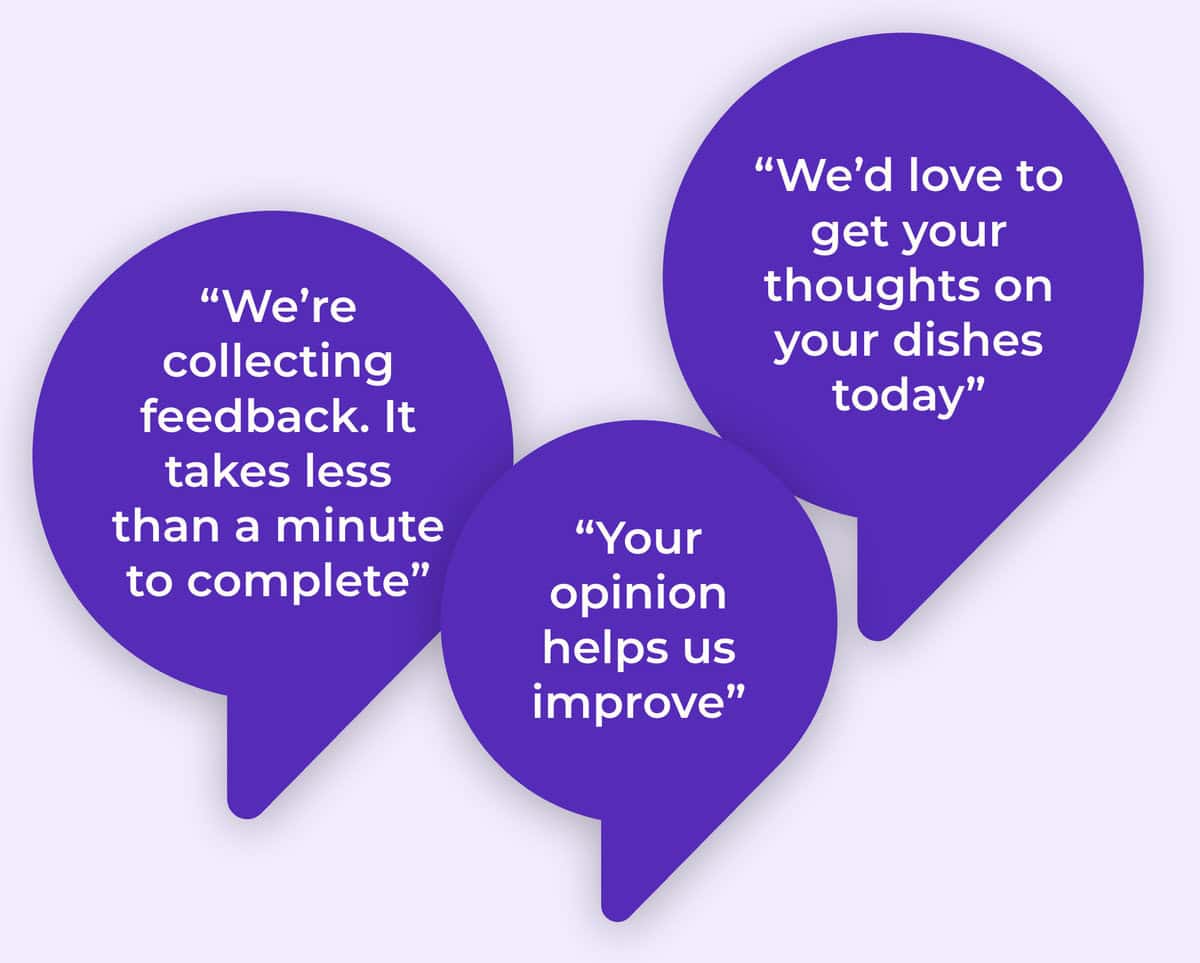
The most powerful prompt still comes directly from staff. When a server introduces a feedback request during the natural flow of service, it feels organic, personal, and timely. Even a short, positive phrase — “It only takes a minute and helps us improve” — can dramatically increase participation. This approach works because it taps into social reciprocity: when asked politely, guests often feel compelled to respond as a gesture of goodwill. For full-service dining in particular, staff involvement ensures guests understand the value of their input and feel that their opinions matter.
 Lead Guests
Attention-Grabbing Design
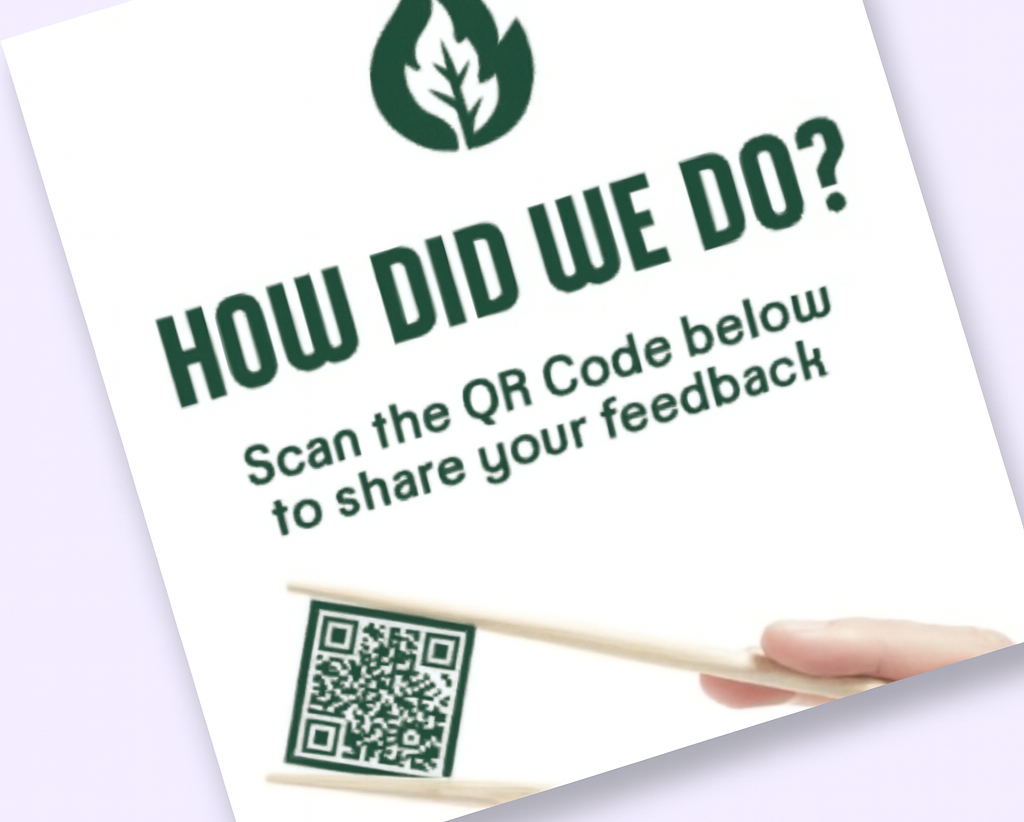
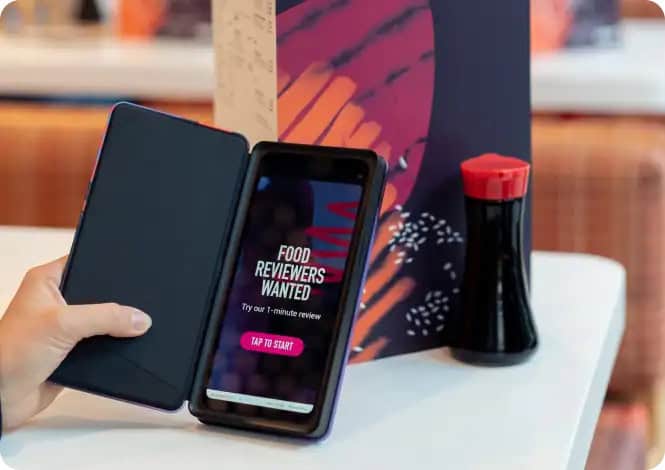
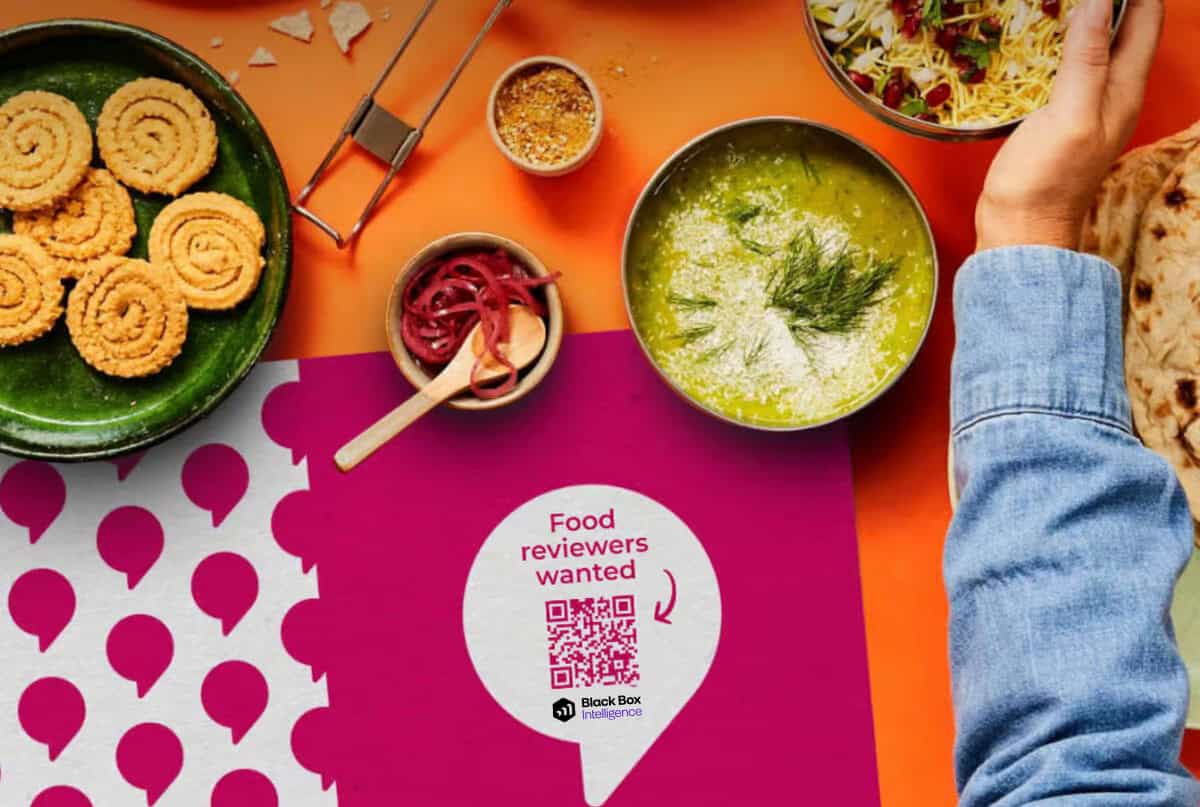
In a restaurant environment filled with noise, signage, and competing visuals, design is critical. Prompts that use bold colors, strong contrast, and simple layouts stand out and capture guest attention. Creative calls-to-action — such as “Rate your plate!” or “Food reviewers wanted!” — add personality and spark curiosity. By contrast, weak or generic prompts fade into the background. Investing in strong visual design doesn’t just make feedback more visible, it signals that the restaurant values guest input enough to present it professionally and confidently.
 Incentivize
Incentivisation with Purpose
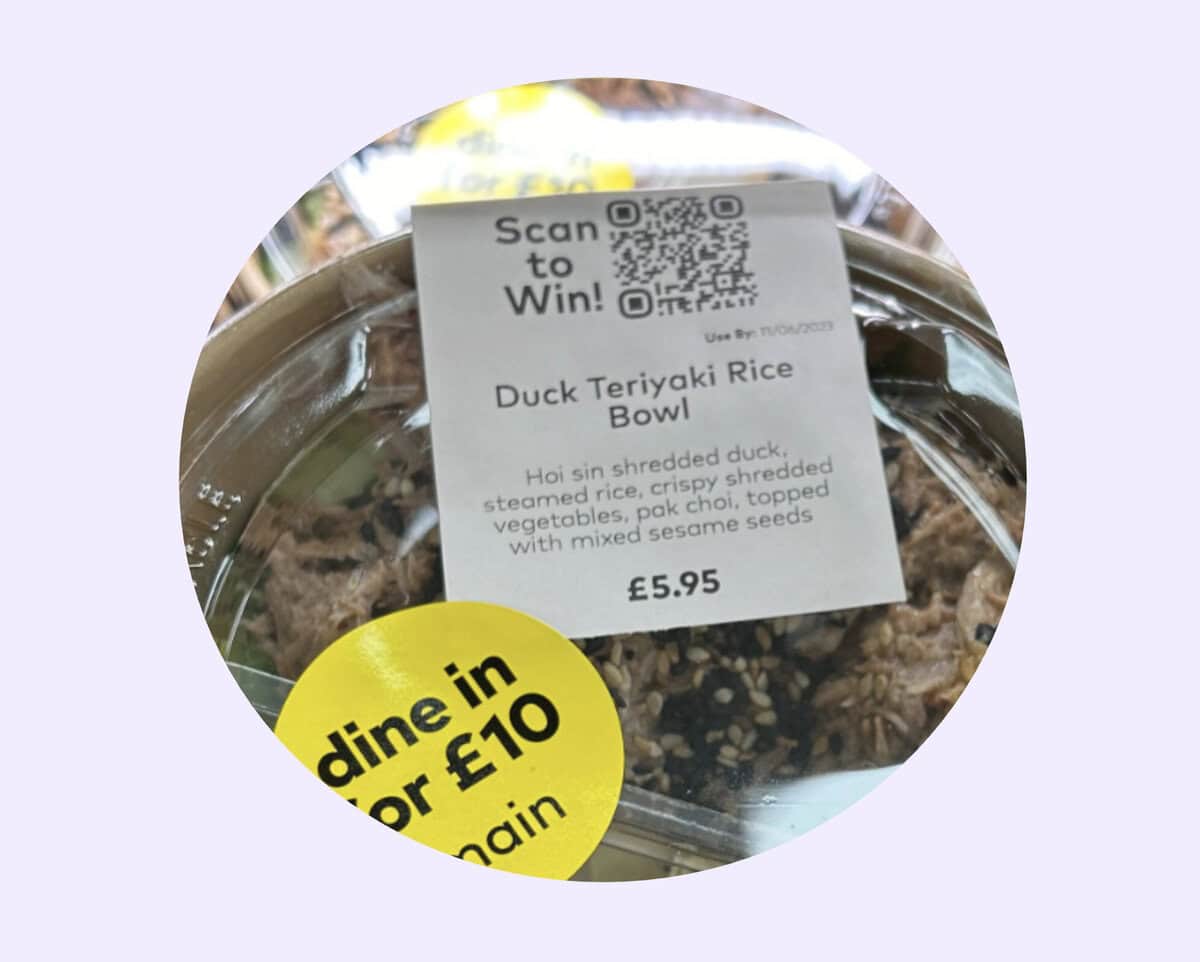
Not every guest will take the time to respond without added motivation — particularly in low-interaction contexts like delivery, quick-service, or grab-and-go. That’s where incentives become powerful. Techniques such as instant-win rewards, gamified “Spin to Win” mechanics, or prize draws have been shown to boost engagement dramatically, sometimes by 500%, 850%, or even 2,300% in brands we’ve worked with. Importantly, the best incentives are purposeful: they tie back to the restaurant experience and encourage repeat visits. When used strategically, they transform feedback from a chore into an engaging and rewarding moment for the guest.
 Visibility
Line-of-Sight Messaging
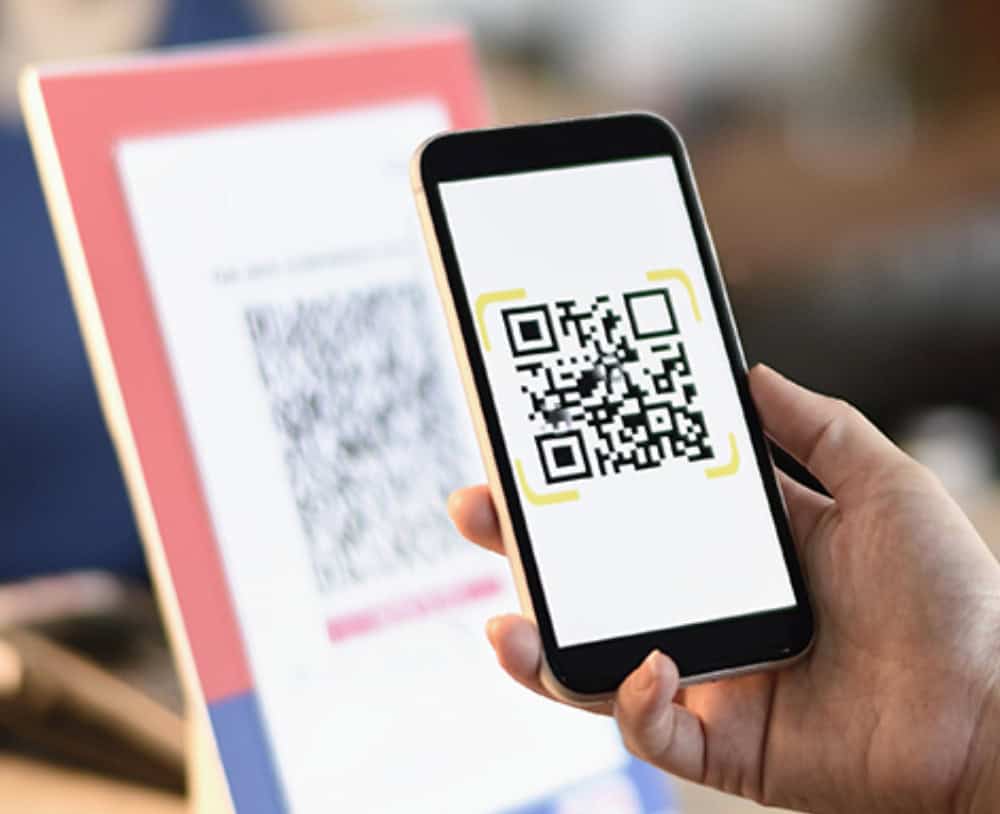
Visibility is not optional. Guests can only engage with feedback prompts they actually see at the right time. Whether embedded in menus, displayed on tables, or applied to takeaway packaging, placement matters as much as the message itself. Prompts should appear naturally at the moment when guests are most likely to respond — typically at or just after meal completion. Poor placement, like QR codes hidden on packaging flaps that get torn open, wastes the opportunity entirely. Thoughtful line-of-sight placement ensures the request is always present and easy to act on.
Implement A Layered Approach
Each of these principles works on its own, but their true strength comes when they’re combined. Different guest personalities respond to different cues — some to the warmth of staff, others to visual design, others only when an incentive is attached. By layering multiple methods, restaurants create a resilient, inclusive feedback system that ensures no guest is left out. This layered approach maximizes participation, improves representativeness, and provides the volume of insights needed to drive meaningful operational and financial improvement.
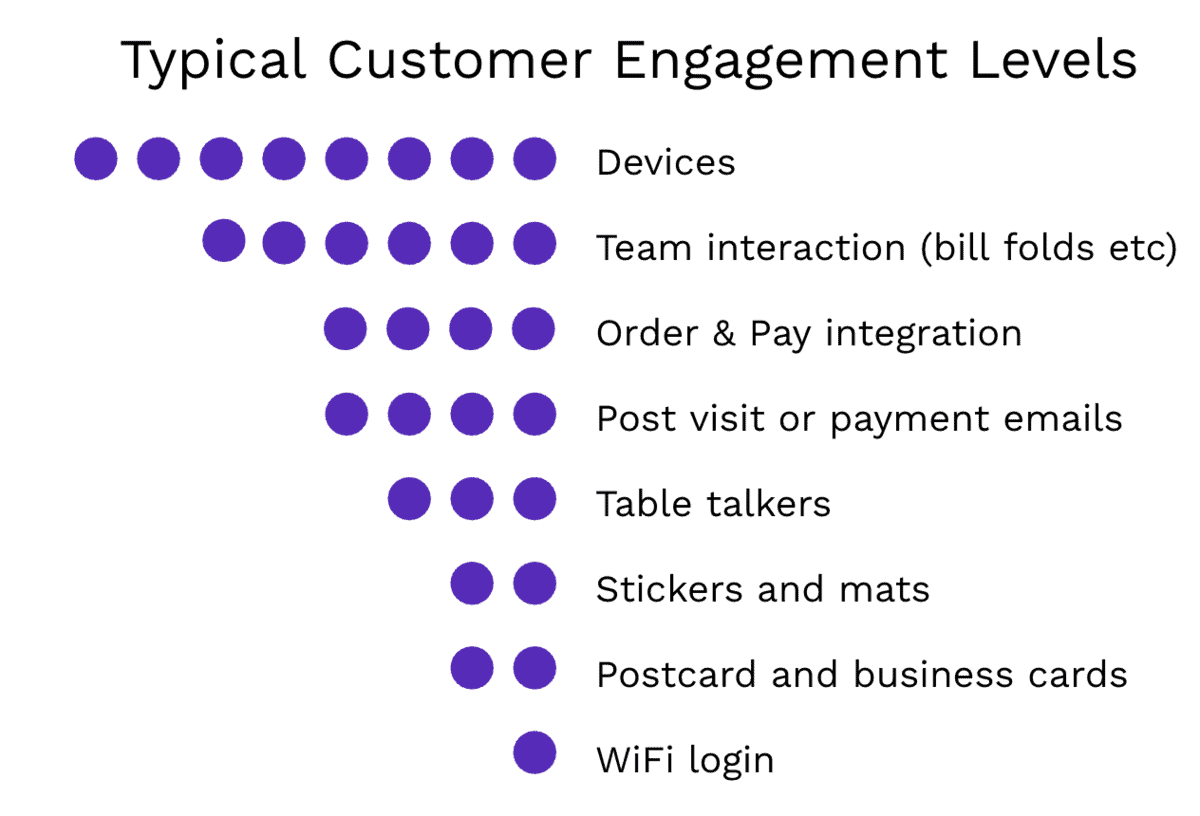
1. In-Service Engagement: The Human Touch
Concept & Value
Staff prompts during service remain one of the most effective ways to secure high response rates. Guests are often most receptive at the table, especially when the request is framed as part of hospitality rather than an add-on.
a) Devices
What it is: Tablets or digital units presented at the table, often in place of a paper check.
Best practices:
- Train servers to introduce the device with short, positive language.
- Have servers physically hand the device over, not just leave it.
- Keep survey interfaces clean and minimal (1–3 screens max).
- Trigger at the right moment — usually as guests wait for payment.
Why it works: The personal handoff combined with a natural service moment leverages reciprocity – guests often feel compelled to return the favor by sharing feedback.
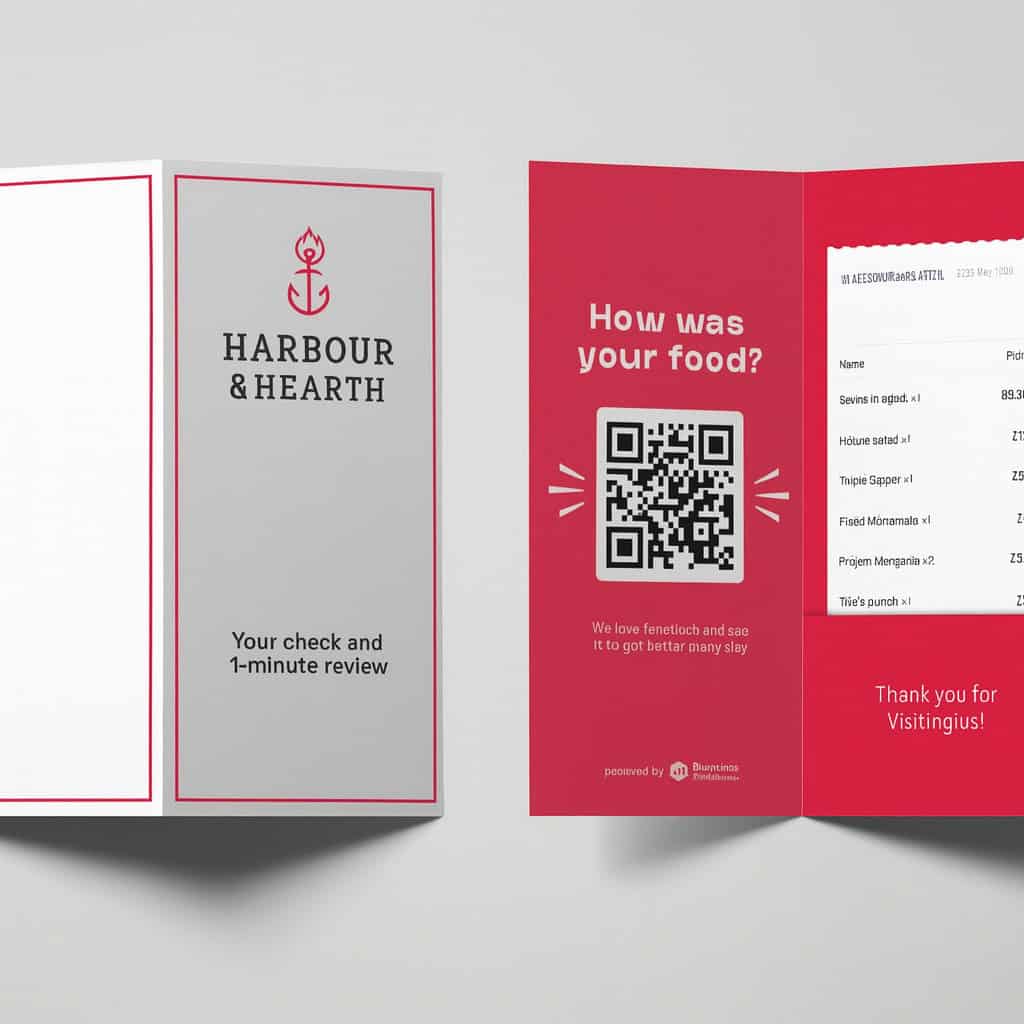
b) Printed Bill/Check Presenter
What it is: Inserts inside check presenters prompting guests to give feedback.
Best practices:
- Train staff to point it out politely (“There’s a quick note inside the check if you’d like to share feedback”).
- Use bold fonts and high-contrast CTAs.
- Rotate designs and messages to prevent visual fatigue.
Why it works: At bill time, guests are already reviewing details and decisions — adding a feedback option feels like a natural extension.
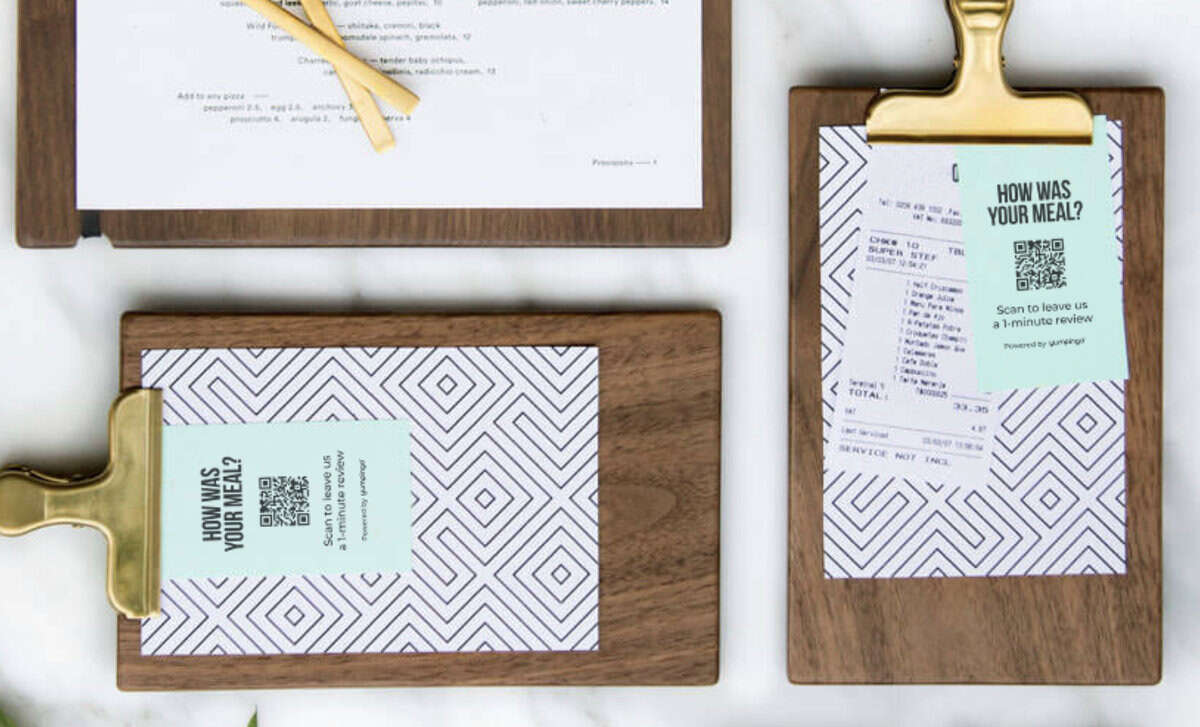
c) Cards Stapled to Receipts
What it is: Small cards stapled to receipts with survey links or QR codes.
Best practices:
- Place the card on top of the receipt for maximum visibility.
- Briefly mention it at hand-off.
- Make cards pocket-sized for later uses
Why it works: Offers guests flexibility to respond at their own pace after leaving.
2. Tabletop Prompts
Concept & Value
These prompts are “always on” and don’t rely on staff. They work especially well for guests who value autonomy and prefer not to be asked directly.
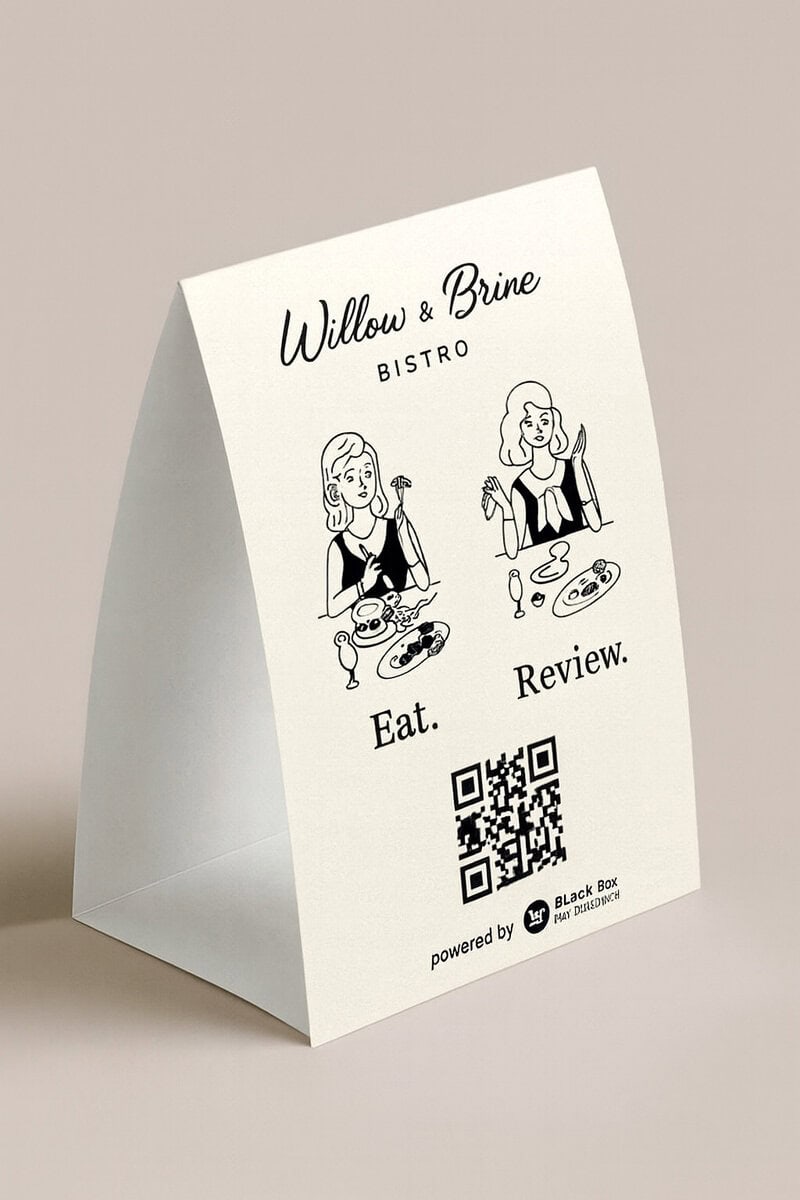
a) Table Tents & Table Settings
What it is: QR codes or survey prompts integrated into table tents or table settings.
Best practices:
- Keep design simple, bold, and free of clutter.
- Rotate CTAs regularly (“Rate Your Plate,” “1-Minute Feedback”).
- Double-sided printing ensures visibility from multiple angles.
- Use color contrast and whitespace to make the QR code pop.
Why it works: Guests often scan surroundings when waiting; passive exposure creates low-pressure engagement.
b) Placemats & Coasters
What it is: Disposable or reusable mats/coasters with embedded QR codes.
Best practices:
- Place codes where they won’t be covered by plates or glasses.
- Train staff to reference them (“You’ll see a quick code on your mat if you’d like to leave feedback”).
Why it works: Guests literally interact with these surfaces during the meal, creating a natural entry point.
c) Acrylic, Metal, or Wooden Displays
What it is: Durable, free-standing displays placed strategically around the restaurant.
Best practices:
- Use bold, focused copy.
- Place in high-traffic or high-visibility areas (exits, restrooms, host stand).
Why it works: Passive but persistent visibility encourages curiosity and action. Higher end displays also elevate the perceived importance of the survey response and value of the feedback provided, making participation more likely.
3. Packaging & Takeaway Touchpoints
Concept & Value
Off-premise guests are a growing share. Packaging cues ensure their voices are captured even outside the restaurant.
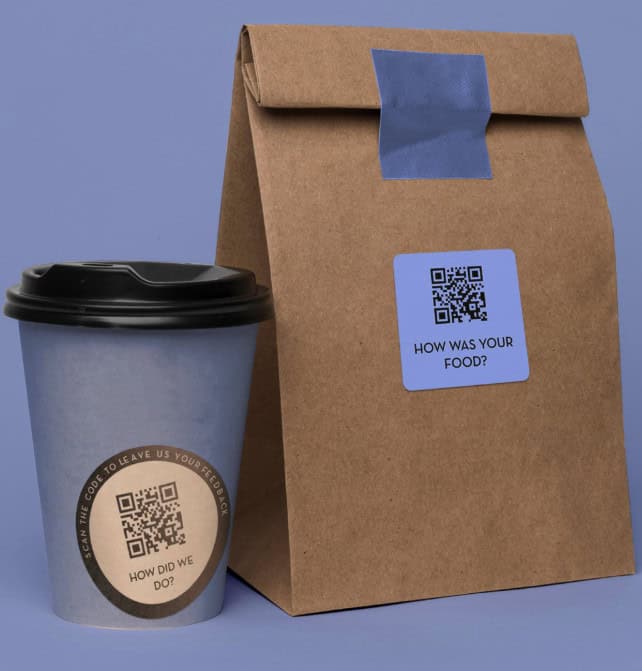
a) Stickers & Labels
What it is: QR codes or NFC tags applied to packaging.
Best practices:
- Avoid areas that tear when opened.
- Use bright, contrasting colors
Why it works: Guests interact with packaging at home while the meal is fresh in mind. Being out of the physical restaurant can also remove hesitancy among some guests.
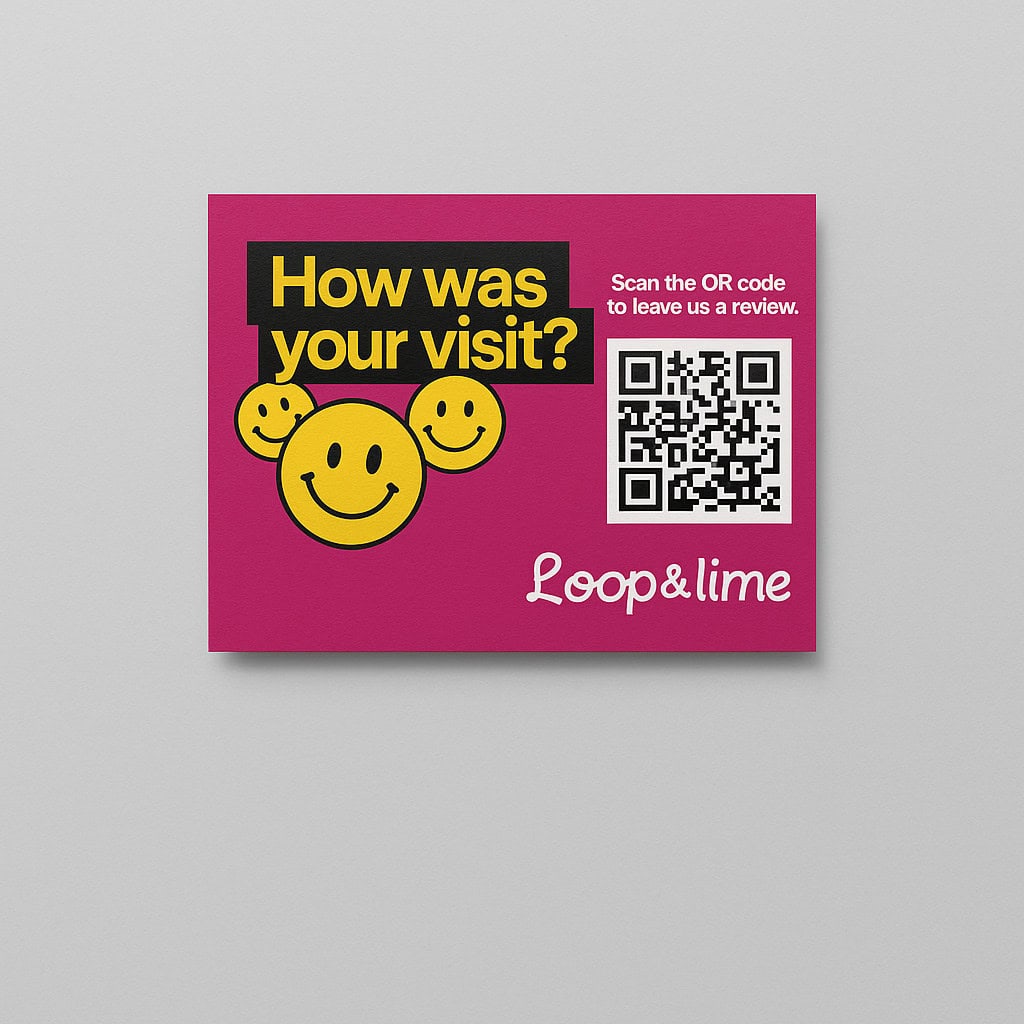
b) Tags and Inserts
What it is: Cards or tags placed inside bags or attached to containers.
Best practices:
- Compact, colorful, durable design.
- Tie copy directly to food if possible (“Loved your burger? Tell us!”).
- Use two-sided messaging — gratitude on one side, feedback ask on the other.
Why it works: Creates a surprise “bonus” discovery moment that prompts guests to act.
4. Digital Integrations & Post-Visit Channels
Concept & Value
These methods let guests engage when it suits them best. They appeal to reflective personalities and digitally-savvy guests.
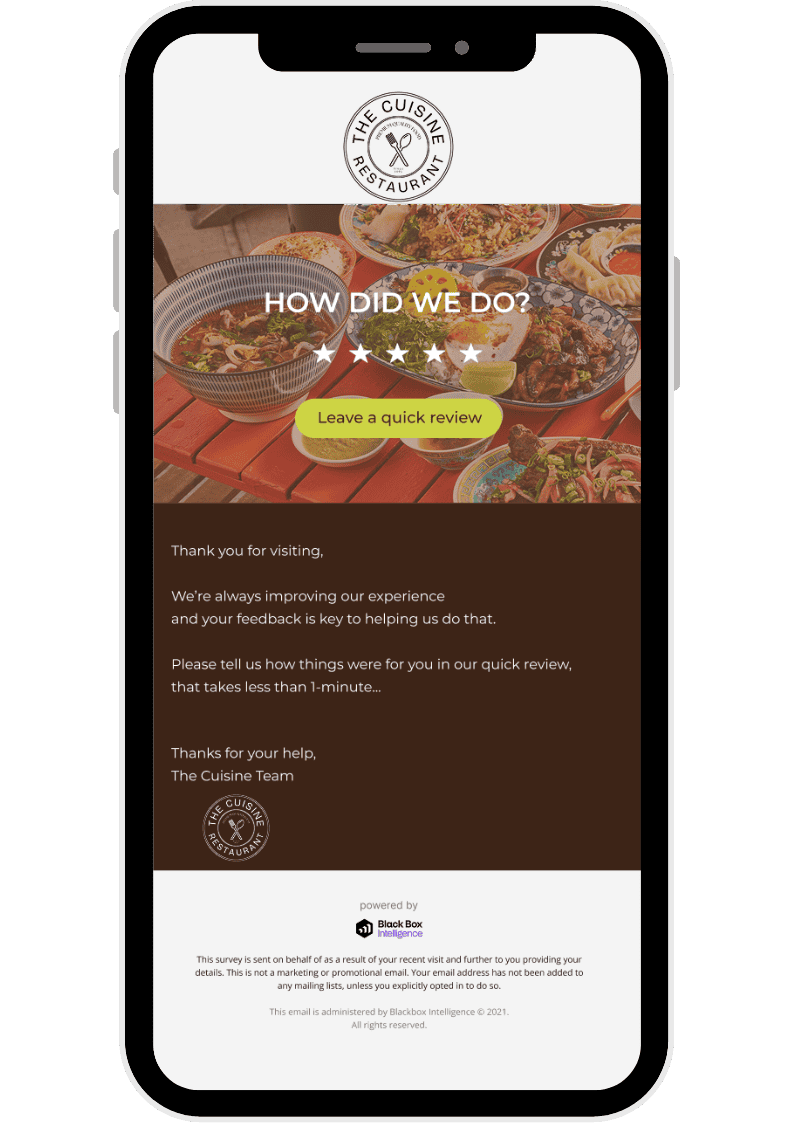
a) Post-Visit Emails
What it is: Automated follow-up emails personalized to the order.
Best Practices:
- Send within 24 hours but don’t send too soon.
- Keep copy short and conversational.
- Test subject lines to optimize open rates.
- Include dish names for relevance.
Why it works: Captures thoughtful responses while the experience is still fresh.
b) Order, Pay, Loyalty and CRM Integrations
What it is: Surveys embedded into digital payment processes.
Best practices:
- Trigger after payment.
- Personalize, only showing the dishes guest ordered.
- Add a progress bar to show speed.
- Offer perks (see below for incentivisation).
- Feed results back into CRM for segmentation.
Why it works: Piggybacks on an existing guest action — paying.
5. Incentives & Gamification
Concept & Value
Rewards and gamification motivate those less inclined to give feedback voluntarily.
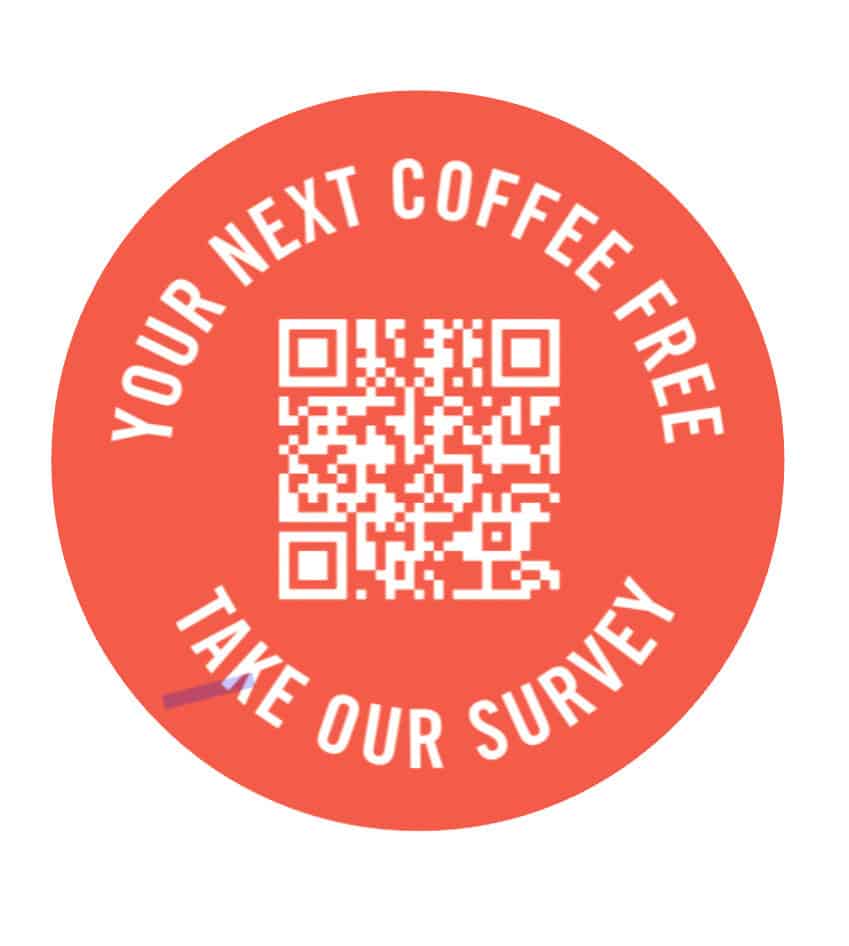
a) Instant Wins
What it is: Every response earns a small, immediate prize.
Best practices:
- Keep prizes modest but desirable.
- Make redemption frictionless.
- Always tie to a future visit to encourage return.
Why it works: Leverages instant gratification to overcome inertia.
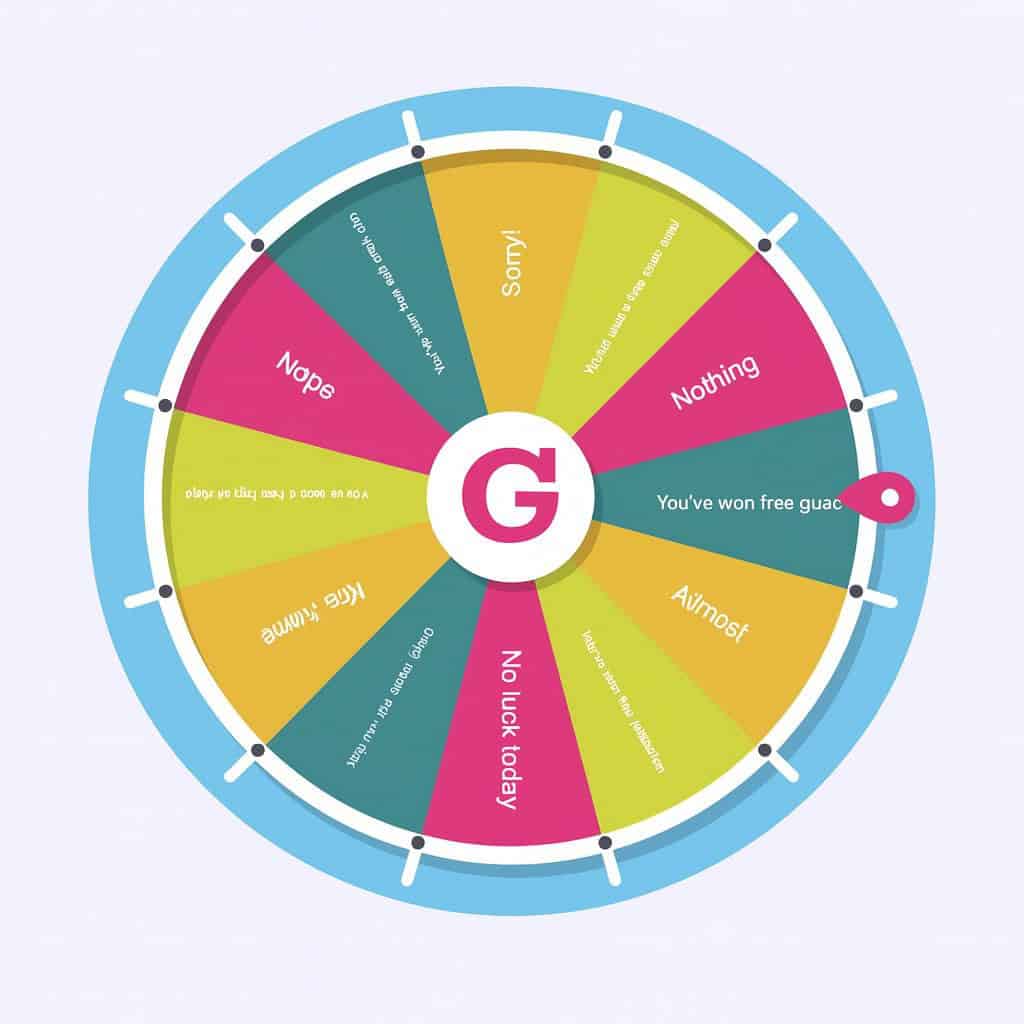
b) Spin to Win
What it is: A digital prize wheel post-survey.
Best practices:
- Keep visuals exciting.
- Rotate prizes monthly.
- Offer “try again next visit” options.
Why it works: Gamifies the survey, creating anticipation and fun.
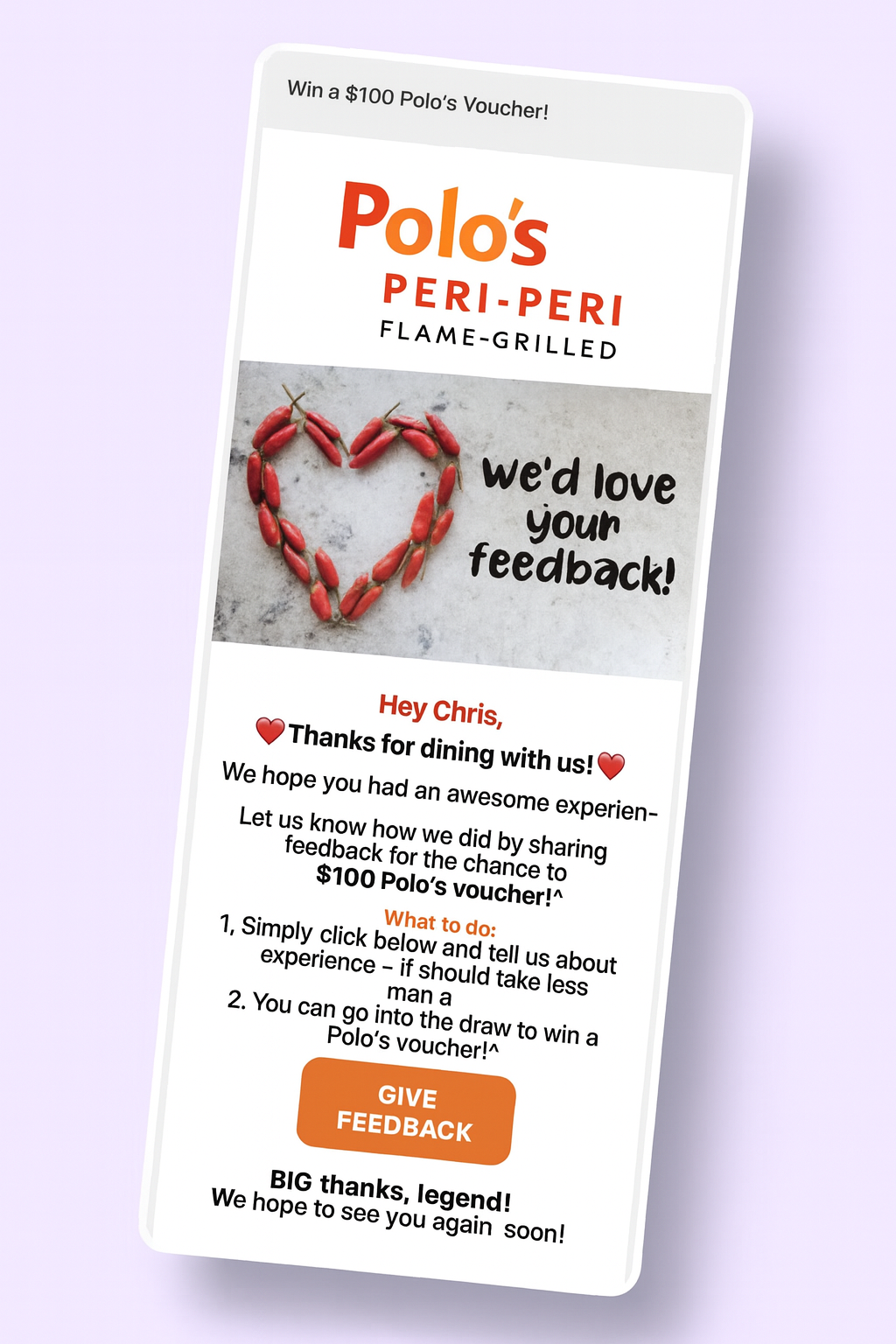
c) Prize Draws
What it is: Sweepstakes tied to survey participation.
Best practices:
- Use playful CTAs (“Scan & Win”).
- Make prize meaningful enough to generate the action you want
- Announce winners publicly.
- Remind guests about upcoming draws.
Why it works: Similar to the mindset of playing a lottery, appeals to aspirational guests motivated by the chance to win big.
Layered Feedback Collection Strategy = More Restaurant Survey Responses
Guests differ not just in what they order, but in how they want to be asked for feedback. Some are most responsive when approached directly by staff. Others prefer the independence of scanning a QR code, or the convenience of a quick post-visit email. Still others need a little extra motivation in the form of rewards or gamification. No single method captures everyone, which is why restaurants that build a layered feedback strategy consistently see higher participation rates and more representative insights.
When executed thoughtfully, this approach does more than generate data — it builds trust. Guests feel that their input is valued, and that the restaurant is genuinely listening. Over time, these signals translate into stronger relationships, greater loyalty, and a willingness to return.
Ultimately, a robust restaurant survey feedback collection program is only partly about chasing higher numbers. It’s more about creating a system that captures the full diversity of guest perspectives, channels them into actionable insights, and turns those insights into decisions that drive satisfaction, sales, and long-term performance. In an industry where margins are thin and competition fierce, the restaurants that listen best are the ones that win.